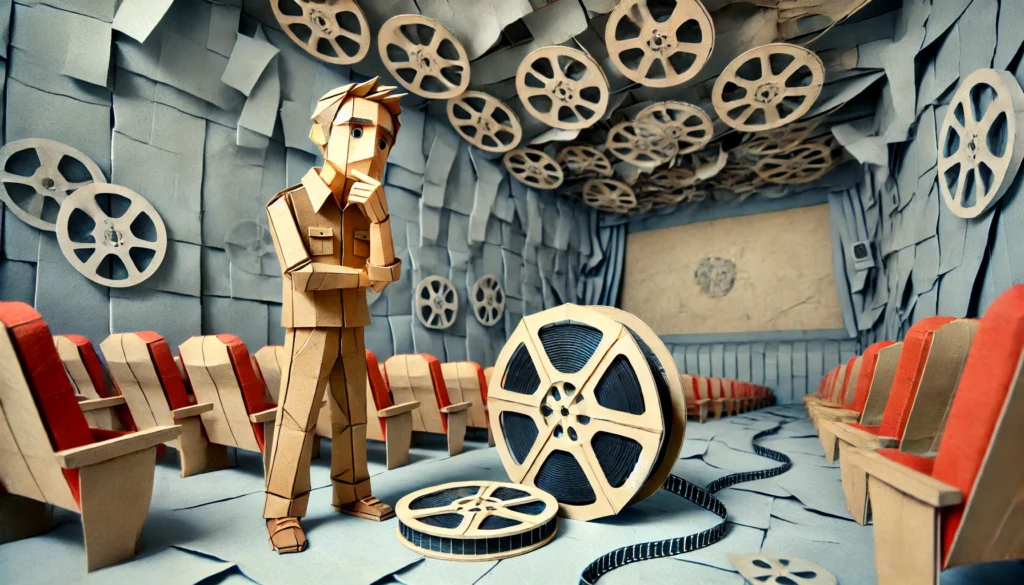


In a world dominated by high-definition digital cinema and cutting-edge visual effects, the old films of yesteryear might appear outdated, with their grainy textures and faded colors starkly contrasting today’s cinematic wonders. To some, these relics of the past may seem irrelevant, gathering dust in forgotten archives, their stories no longer resonating with modern audiences. So, why should we revitalize them? Why invest time, effort, and resources into bringing back to life films that may appear, at first glance, to be little more than obsolete curiosities?
Reviving old films is like breathing new life into the echoes of a bygone era, allowing the stories and artistry of the past to continue whispering their truths into the present. It is an act of reverence, a way of honoring the creative spirit of those who poured their vision and passion into the celluloid decades or even a century ago. Restoring old films is a way to cherish and celebrate the unique essence of cinema, capturing its beauty and ensuring it remains a vibrant part of our cultural tapestry.
Each old film is a time capsule, a precious artifact that carries its era’s hopes, dreams, and idiosyncrasies. These films are not simply reels of flickering images; they are windows into the past, offering a glimpse of how people lived, loved, and viewed the world. They are a testament to the art of storytelling, a reminder of the innovative spirit and craftsmanship that shaped the early days of cinema.
The act of restoration is a profoundly emotional and creative endeavor. It requires more than technical skill; it demands a profound respect for the film’s original artistic intent. Every frame, every scene, tells a story that has the power to connect us to the past in a way that nothing else can. By restoring a film, we preserve its ability to evoke emotions, provoke thought, and inspire new generations.
Furthermore, old films often possess an inherent beauty and charm that modern productions struggle to replicate. The grainy textures, rich contrasts, and palpable sense of history that they carry are part of what makes them unique. These elements are not just technical aspects but intrinsic parts of the film’s soul. Restoring a film involves more than just cleaning up its appearance; it is about carefully and lovingly maintaining these distinctive characteristics that give the film its unique identity.
In a world where change rushes forward, and much of our history feels fleeting, film restoration offers a chance to pause and reflect. It provides a bridge between the past and the present, allowing us to engage with the art of cinema in a way that is both tangible and transformative. Each restored film is a celebration of artistic legacy, a reminder of the power of storytelling, and a tribute to cinema’s enduring impact.
Ultimately, reviving old films is about preserving a piece of our shared heritage. It ensures that the visions of past filmmakers, their innovations, and their contributions to the art form are not lost to time but are instead preserved for future audiences to experience and appreciate. In this way, restoration is not just an act of maintenance but a celebration of the timeless magic of cinema—a magic that continues to captivate and inspire us across generations.