

Clarity has become the industry’s newest obsession, though it arrives with more complications than certainty. The push toward 8K scanning, now gaining quiet momentum among producers, is being positioned as both preservation and foresight. Old film libraries, once treated as storage burdens, are being reconsidered as assets that can travel across platforms, formats, and markets. The logic is persuasive. Scan once, scan well, and the film remains usable for years without returning to fragile source material.
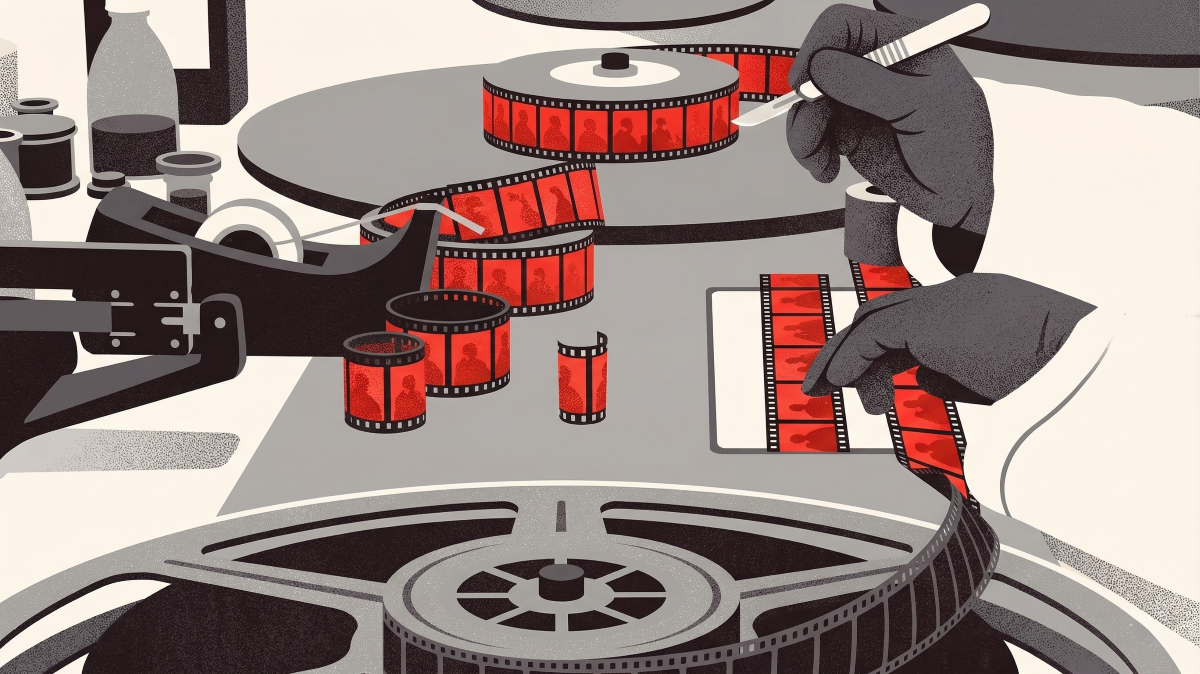
The technical argument holds. An 8K scan of the original negative captures detail that earlier transfers could not retain. The telecine processes used for television and early home video were built for speed, not fidelity. They softened images, introduced noise, and often stripped away the grain that gives film its texture. Modern workflows operate differently. Each frame is scanned, stored, and corrected individually. Scratches can be removed without affecting surrounding detail. Color can be adjusted with a level of control that was simply not available before. The image looks cleaner, sharper, more stable.
But “film” was never meant to look like this. Cinematographers did not shoot with digital precision in mind. They worked within a system where projection would soften edges, where light passing through celluloid would slightly alter contrast, where colors would shift in ways that were understood and even anticipated. High-resolution scanning changes that relationship. Shadows reveal more than they once did. Highlights hold their brightness instead of diffusing. The frame begins to feel less like something projected and more like something inspected.
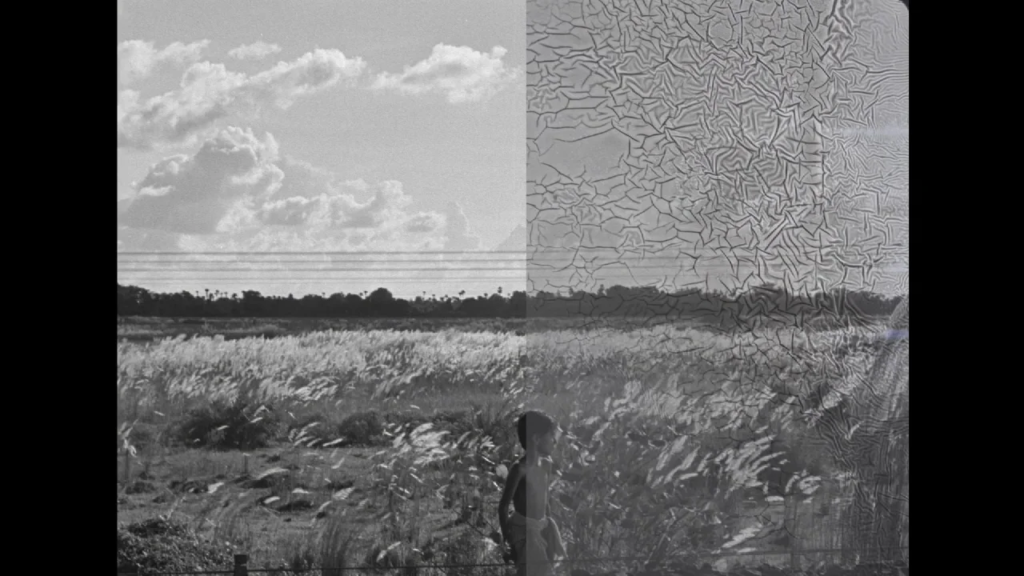
This shift becomes particularly visible in restorations that have been widely discussed. The revival of The Apu Trilogy is often cited as a success story, and for good reason. The films, once thought to be permanently damaged, now carry a clarity that allows their compositions to breathe again . Details that had faded return with surprising force. At the same time, the experience is not identical to what audiences would have seen decades ago. It is, in a sense, a reconstruction built from the best available materials.
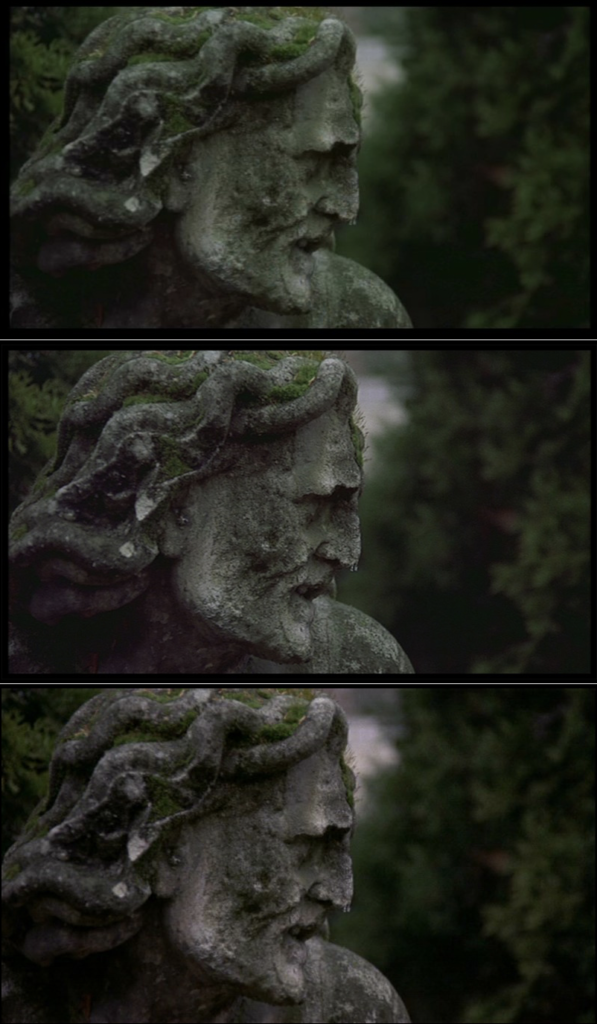
A similar tension appears in smaller, more specific moments. During the restoration of Don’t Look Now, a missing sound effect had to be reinstated after the director pointed out its absence, leading the team back to an original print for verification . The incident is revealing. Even with access to advanced tools, the process depends on incomplete references, on memory, on decisions made under uncertainty. All of the different DVD releases of Nicolas Roeg’s Don’t Look Now are given below (Image Credits: DVDBeaver.com)
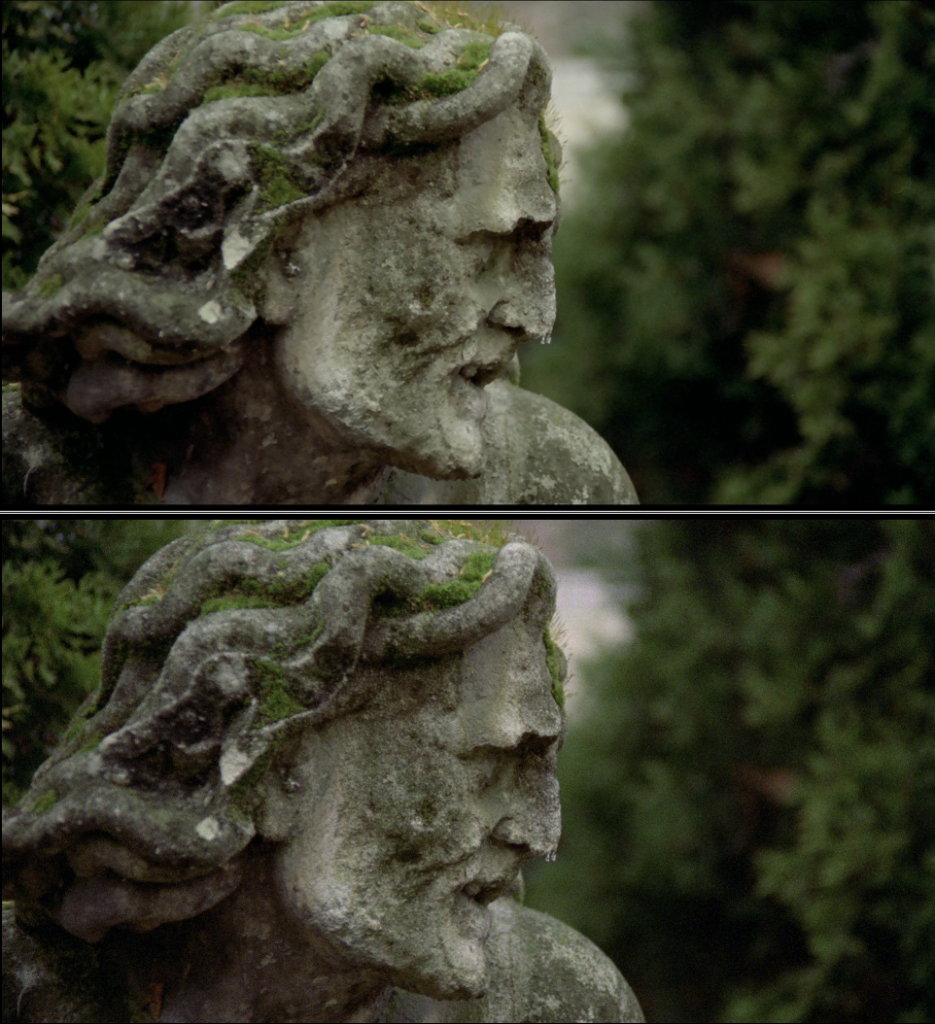
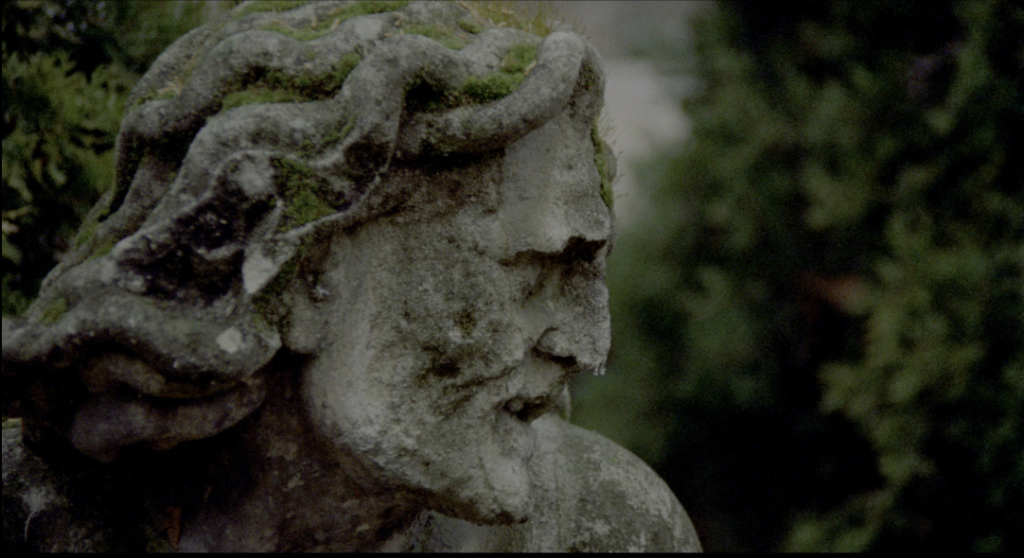
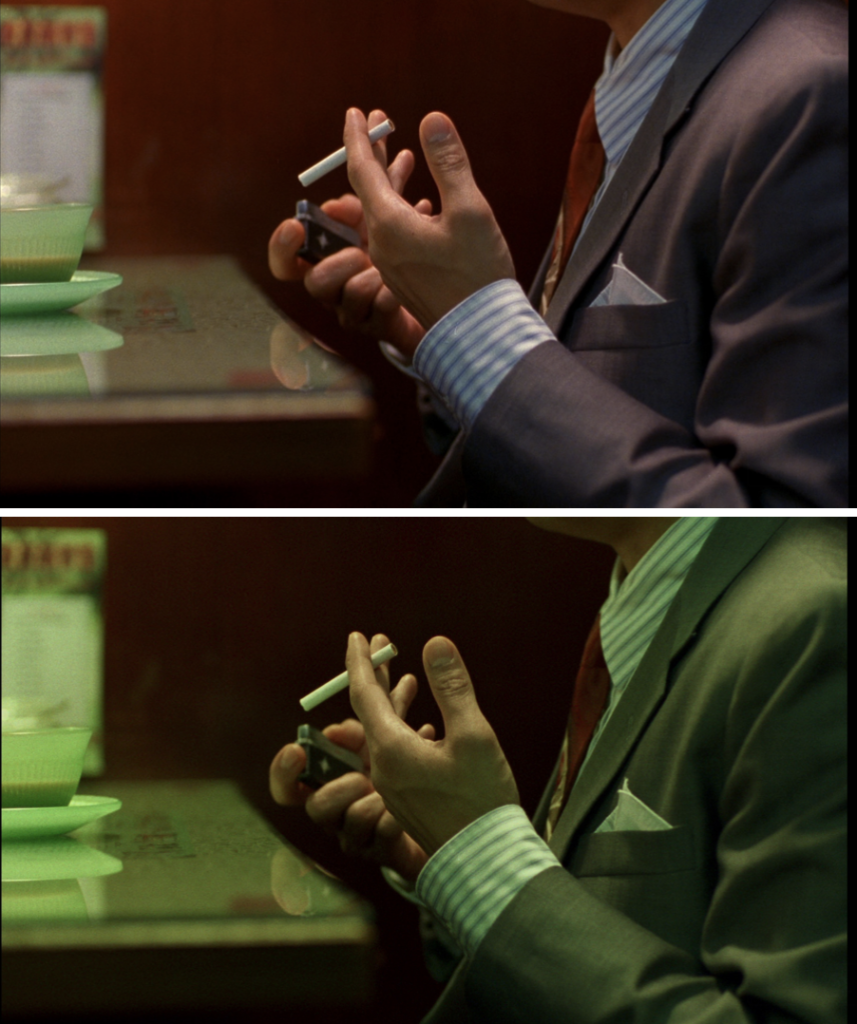
Color is where these decisions become most visible. Digital grading allows for precise control, but precision often leans toward standardisation. Films that once carried distinct visual identities can begin to look unexpectedly similar after restoration. Observers have noted this in cases as varied as A Touch of Zen and The Producers, where different histories and aesthetics seem to converge toward a shared tonal balance . Blacks are lifted slightly, colors are moderated, contrast is adjusted to suit modern screens. The image becomes easier to read, but also less particular.
There are also moments when restoration moves closer to reinterpretation. Michael Mann’s reworking of Thief, with its pronounced blue tint, shifts the film’s atmosphere in a noticeable way. Wong Kar-wai’s revisions to his earlier work do something similar, altering color and texture to align with his current sensibilities. These are not accidents. They are choices made possible by the tools now available, and they raise a question that restoration cannot easily answer: whose version of the film is being preserved?
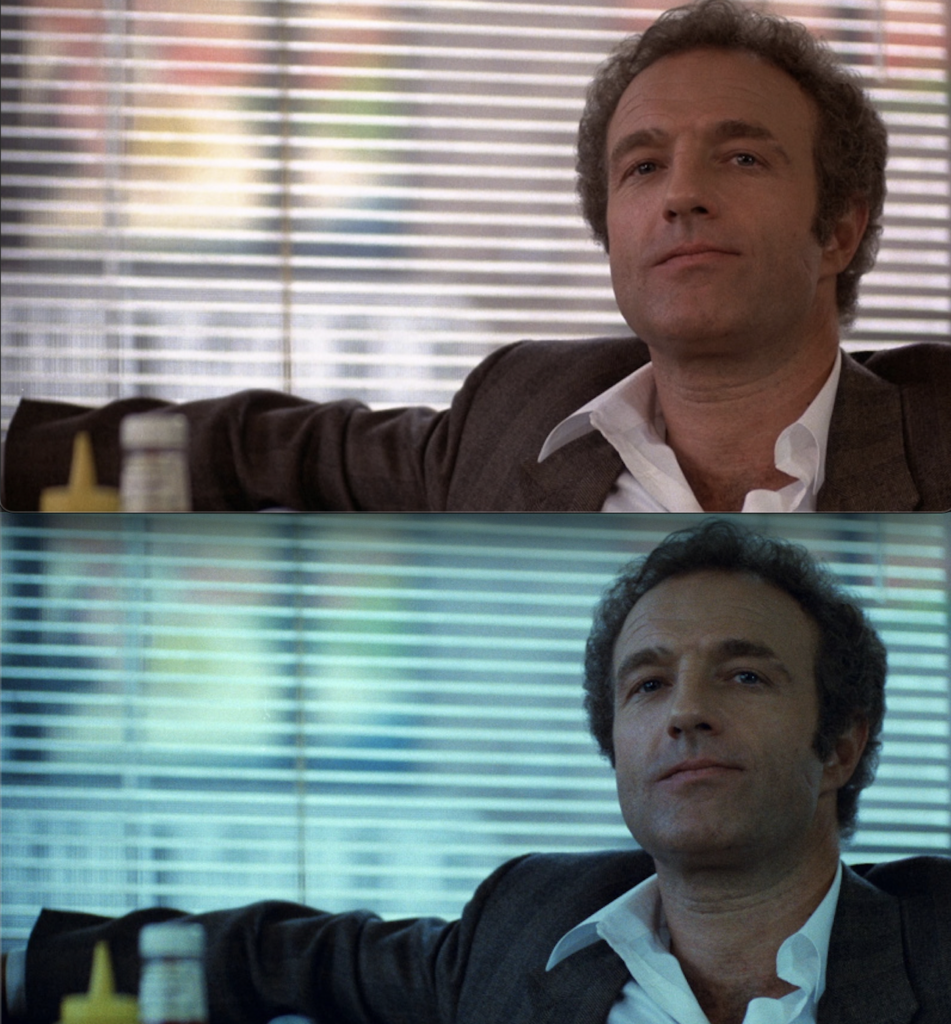
Even when such interventions are absent, the process is shaped by the present. Colorists work within digital environments that encourage certain visual norms. Laboratories develop their own tendencies. Over time, these patterns accumulate. Films from different periods begin to share a subtle visual consistency, not because they were made that way, but because they have been restored within the same system.
None of this cancels out the value of what is being done. In many cases, these restorations allow films to be seen properly for the first time in decades. They recover detail, stabilise images, and make works accessible to audiences who might otherwise never encounter them. In industries where preservation has been uneven, the move toward high-resolution scanning reflects a long overdue recognition that films need to be treated with care.
What it does suggest, however, is that restoration is not a return to an original state. It is a process shaped by technology, by economics, and by interpretation. The 8K image may feel complete, but it is still the result of choices made in the present.